
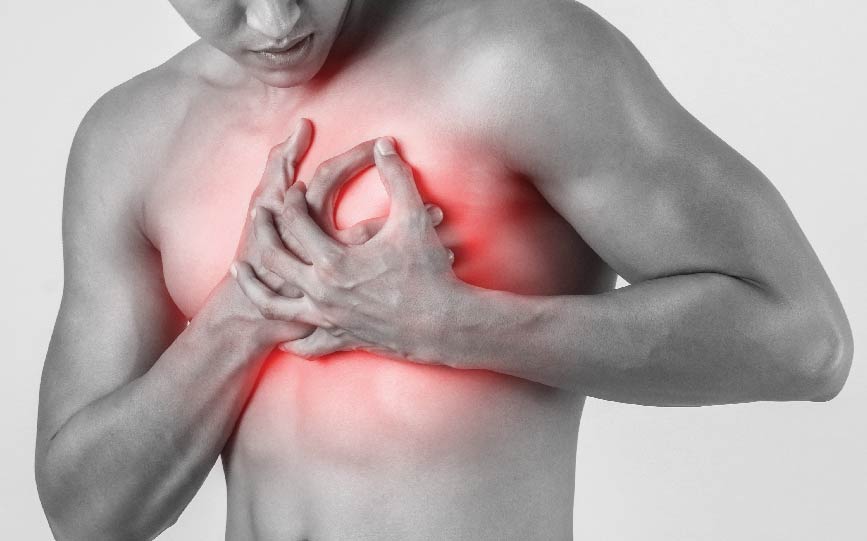
When heart disease is mentioned, people generally think it’s “an elderly person’s problem.” However, more and more middle-aged individuals are now affected by heart disease, which is undoubtedly a health warning that requires greater attention.
Ischemic Heart Disease: A Leading Cause of Death
According to the “Malaysian Statistics on Causes of Death Report” published by the Department of Statistics Malaysia in October 2024, ischemic heart disease is the second leading cause of death nationwide. In 2023, a total of 12,648 males died from ischemic heart disease, accounting for 17.6% of male deaths.
Among the 41 to 59 age group, ischemic heart disease was the leading cause of death, resulting in 5,673 fatalities and representing 19.8% of all deaths in that age bracket. Over the past 20 years, with the exception of 2023 when pneumonia surpassed ischemic heart disease for the first time as the main cause of death, ischemic heart disease has consistently remained the leading cause of death in other years.
Dr. Toh Seng Hsiung, a cardiologist at Sri Kota Specialist Medical Centre in Klang, stated that ischemic heart disease, also known as Coronary Artery Disease (CAD) or commonly Coronary Heart Disease (CHD), is a common heart condition. The heart works 24 hours a day to pump blood throughout the body, and the heart itself receives blood supply from three coronary arteries. Coronary heart disease occurs when the coronary arteries, responsible for supplying oxygen and nutrients to the heart, narrow, leading to insufficient blood circulation and a range of symptoms. When substances like cholesterol and fats accumulate on the blood vessel walls, they gradually form plaques, causing atherosclerosis.
Over time, these blood vessels progressively narrow, or even become completely blocked, reducing blood flow to the heart and potentially leading to impaired heart function. If these plaques suddenly rupture, it can trigger an acute myocardial infarction (heart attack).
Another scenario is when patients, despite not having traditional high-risk factors for heart disease such as high blood pressure, high cholesterol, or diabetes, develop the condition due to tears in the walls of their heart arteries, also known as spontaneous coronary artery dissection (SCAD). This condition is more common in young women and often occurs without warning.
Obesity, “three highs” (high blood pressure, high blood lipids, high blood sugar), and smoking are high-risk groups. When the heart cannot effectively pump enough blood to meet the body’s needs, patients experience pain and pressure in the left side of the chest, which sometimes spreads to the neck, jaw, or teeth. Patients may even experience shortness of breath, left-sided chest pain, or cold sweats. These discomforts are more apparent during physical activities such as climbing stairs, carrying heavy objects, or exercising, as the body’s demand for oxygen increases, putting more strain on the heart and leading to angina, or even a heart attack in severe cases.
High-risk groups:
- High blood pressure
- High blood lipids
- Diabetes
- Smoking
- Obesity
- Air pollution
- Family history of heart disease
He pointed out that the accumulation of fat, cholesterol, and other substances on the blood vessel walls forms plaques, and if they continue to grow, the vessel walls will remain inflamed, which will not only damage normal vascular tissue but also accelerate plaque development and thrombus formation.
The main treatment options for coronary heart disease are percutaneous coronary intervention (commonly known as angioplasty) or coronary artery bypass graft (CABG). Doctors will use the SYNTAX score to assess the complexity of the patient’s vascular blockage, determining if multiple vessels or left main coronary artery occlusion are involved, to decide on the most suitable treatment plan for the best efficacy.
Regular diet and exercise
The occurrence of ischemic heart disease is closely related to unhealthy lifestyles and dietary habits, reflecting the seriousness of modern people’s problems with life stress, unbalanced diet, and insufficient exercise. Dr. Toh Seng Hsiung pointed out that many people have the stereotype that heart disease is mostly seen in the elderly; however, statistics show that most patients are middle-aged. Many middle-aged people are at the peak of their careers, bearing the dual pressures of family and work, but often neglect their heart health. Once health issues arise, it affects not only the individual but can also impact the entire family and society. For example, men are often the main financial support of the family, and if they are unable to work due to illness, it not only affects family income but also weakens overall social productivity. At the same time, family members also need to invest a lot of time and energy in caring for the patient, increasing their physical, mental, and financial burden.
He suggested that individuals with high-risk factors should be vigilant and undergo regular heart health check-ups starting from the age of 40 to detect potential problems early and take appropriate measures to reduce the risk of heart disease. As for the general public, they should start from daily life, such as cultivating regular exercise habits, maintaining a healthy weight, and reducing the intake of high-oil, high-sugar, and high-salt foods to comprehensively improve cardiovascular health.
The heart is like a car engine, acting as the engine room for arteries and veins in the human body, working 24 hours a day, year-round, to keep your body running. Therefore, it’s time to re-examine our lifestyle – regular exercise, balanced diet, quitting smoking and limiting alcohol, and regular health check-ups – these seemingly simple habits may be the key to protecting your heart.
If you have any concern, do contact us at 03-3375 7799 @ ext 7286
by Dr. Toh Seng Hsiung, Consultant Cardiologist